Retirement Road Map: The 4 Biggest Mistakes That Can Derail Your Retirement
Retirement Road Map: The Guide Every Retiree Should Have Before Making Important Financial Decisions!
You’ve spent years preparing for retirement.
You’ve saved consistently.
You’ve worked hard.
You’ve planned for the future.
But here’s something most people don’t expect…
Retirement doesn’t come with a roadmap.
For many retirees, the biggest financial decisions actually begin after they stop working.
Questions about taxes, retirement income, investments, healthcare costs, Social Security, Required Minimum Distributions (RMDs), and estate planning suddenly become more important than ever.
Unfortunately, many retirees discover these issues only after costly mistakes have already been made.
Why Every Retiree Needs a Retirement Road Map
Imagine taking a cross-country trip without GPS.
Eventually you’ll arrive somewhere—but probably not by the easiest, safest, or most efficient route.
Retirement works the same way.
Without a personalized retirement strategy, it’s easy to make decisions that increase taxes, reduce income, or limit future financial flexibility.
A Retirement Road Map helps you understand:
- Where you are today
- Where you want to go
- The risks that could slow you down
- The opportunities that may help you reach your goals with greater confidence
Four Common Retirement Detours
1. Paying More Taxes Than Necessary
Many retirees assume their taxes automatically decrease after retirement.
In reality, retirement income often comes from multiple sources, including Social Security, pensions, IRAs, 401(k)s, brokerage accounts, and Required Minimum Distributions.
Without proactive tax planning, many retirees pay more than they legally need to.
2. No Coordinated Retirement Strategy
Your accountant prepares tax returns.
Your investment advisor manages investments.
Your attorney prepares legal documents.
But who ensures all of these pieces work together?
A comprehensive retirement strategy brings every part of your financial life into alignment.
3. Not Planning for Life Changes
Retirement plans should evolve as life changes.
Major events like losing a spouse, health concerns, market volatility, or changes in tax law can significantly impact your retirement strategy.
Planning ahead helps reduce uncertainty and gives you greater flexibility.
4. Waiting Too Long
One of the most expensive retirement mistakes is assuming you’ll address planning “later.”
Every year without a proactive review could mean missed tax-saving opportunities or planning strategies that become unavailable.
What Should a Retirement Road Map Include?
An effective retirement roadmap should help answer questions like:
- Will my retirement income last?
- How much tax will I pay?
- How should I withdraw from my retirement accounts?
- How can I reduce taxes legally?
- What happens if my spouse dies first?
- How do I leave more to my children?
- Is my current retirement plan still the best option?
The goal isn’t simply to have a financial plan.
The goal is to have a plan that’s coordinated, personalized, and designed around your specific retirement goals.
Why a Second Opinion Can Be Valuable
Many retirees seek a second opinion before making important medical decisions.
The same approach can make sense when it comes to retirement planning.
A second opinion may uncover planning opportunities, identify potential risks, or simply provide reassurance that you’re already on the right path.
Either outcome can provide greater confidence.
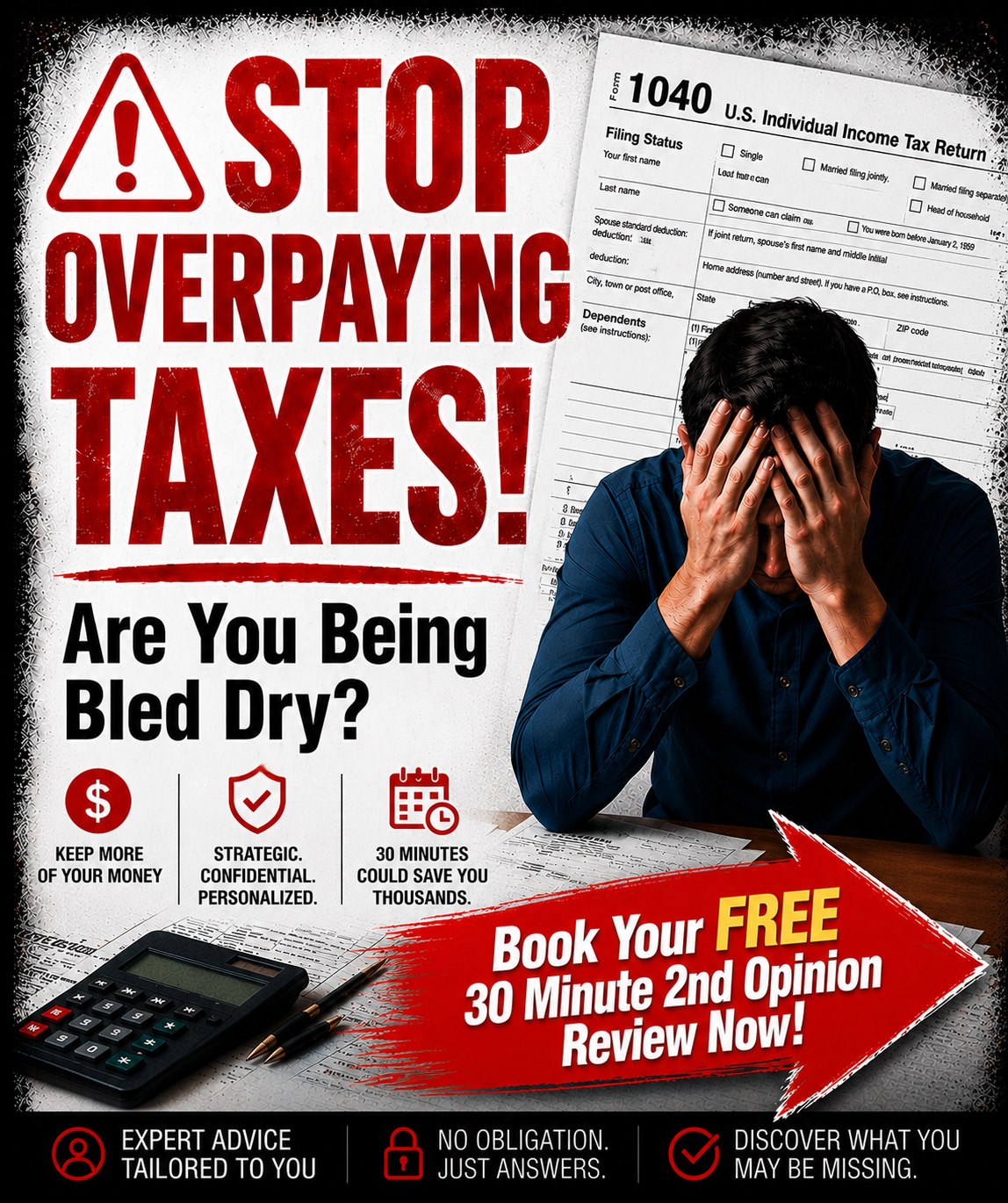
Schedule Your Complimentary Retirement Tax Review
If you’re retired or approaching retirement and would like another set of experienced eyes on your retirement strategy, we’d be happy to help.
We’ll review your current situation, answer your questions, and discuss opportunities that may help improve your retirement plan.
Brookfield Tax Planning
FREE 30-Minute Retirement Tax Review
No Obligation. No Sales Pressure. Just The Facts.
GIVE US A CALL TODAY: 708-485-3439