Just Retired. Now What?
Just Retired? Here’s What To Do Next
Retirement is supposed to be the reward for decades of hard work.
You spent years contributing to retirement accounts, paying off debt, raising a family, and building financial security.
Then retirement finally arrives.
And many people find themselves asking a surprisingly simple question:
“What do I do now?”
The truth is that retirement planning doesn’t stop when you retire. In many ways, some of the most important financial decisions happen after retirement begins.
Why Retirement Creates New Financial Decisions
During your working years, your primary focus was accumulation.
You were saving money.
After retirement, your focus shifts to distribution.
You now have to answer questions such as:
- Which accounts should I withdraw from first?
- How do I minimize taxes in retirement?
- When should I take Social Security?
- How much can I safely spend each year?
- How do I prepare for Required Minimum Distributions?
- What happens if healthcare costs increase?
These decisions can significantly impact retirement income, tax liability, and long-term financial security.
The Biggest Retirement Mistakes Are Usually Invisible
Many retirees assume that if they have enough money saved, everything else will take care of itself.
Unfortunately, that’s not always true.
Some of the most costly retirement mistakes are not investment mistakes.
They’re planning mistakes.
1. Paying More Taxes Than Necessary
Many retirees unknowingly trigger unnecessary taxes through poorly coordinated withdrawals from retirement accounts.
Without a withdrawal strategy, retirees may find themselves paying more tax than necessary over time.
2. Missing Roth Conversion Opportunities
The years immediately after retirement can create unique tax-planning opportunities.
Many retirees miss the chance to strategically convert portions of traditional retirement accounts to Roth accounts while potentially remaining in lower tax brackets.
3. Poor Social Security Timing Decisions
Claiming Social Security too early can permanently reduce lifetime benefits.
Every retirement situation is different, making timing decisions especially important.
4. Required Minimum Distribution Surprises
Many retirees underestimate the future tax impact of Required Minimum Distributions (RMDs).
Without planning, RMDs can create unexpected tax burdens later in retirement.
5. Medicare Premium Increases
Retirement income decisions can affect Medicare premiums.
Many retirees are surprised to learn that higher taxable income can increase healthcare costs.
Retirement Isn’t About Having More Money
It’s About Having The Right Plan
Two retirees can have similar savings and experience very different outcomes.
The difference often comes down to planning.
The right retirement strategy can help retirees make informed decisions regarding taxes, income planning, Social Security, and long-term financial goals.
Questions Every New Retiree Should Ask
If you’ve recently retired, consider asking yourself:
- Will my savings last?
- Am I paying more tax than necessary?
- Is my income plan optimized?
- Have I reviewed my Social Security strategy?
- Do I understand future RMD obligations?
- Has anyone reviewed my retirement plan recently?
These questions can help identify potential planning gaps before they become costly mistakes.
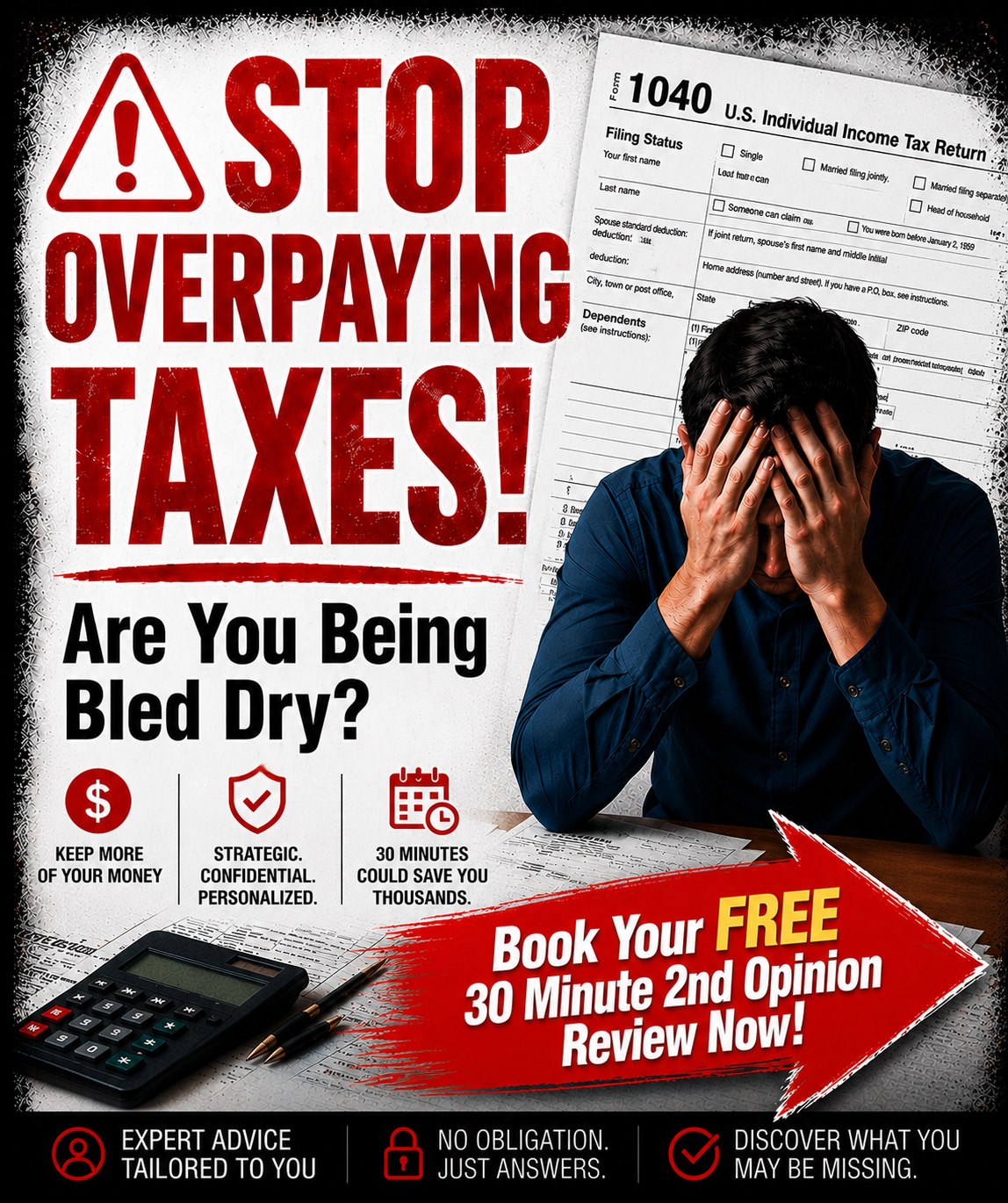
Schedule A FREE 30-Minute Just Retired Tax Review
If you’ve recently retired and would like a second opinion on your retirement tax strategy, retirement income plan, or Social Security decisions, we’re happy to help.
During your complimentary review, we’ll discuss:
- Retirement Income Planning
- Tax Strategy Opportunities
- Social Security Considerations
- IRA & RMD Planning
- Retirement Tax Reduction Strategies
You spent decades preparing for retirement.
Let’s make sure you’re prepared for what comes next.